Buy an Authentic Djembe: The Complete Buying Guide
Introduction: Why the Right Djembe Matters
Buying a djembe online can be intimidating. The market is flooded with mass-produced "souvenirs" that look like drums but sound like cardboard.
At Tam-Tam Mania, we believe that whether you are a complete beginner or a seasoned percussionist, you deserve an instrument that sings.
This guide is designed to help you cut through the noise and choose an authentic West African djembe that fits your body, your budget, and your musical goals.
A Simple 3‑Step Plan to Choose the Right Djembe
Step 1: Choose the Right Size for Your Body
Comfort matters more than most people realize.
Step 2: Understand Materials & Authentic Craftsmanship
Sound, durability, and soul come from how — and where — a drum is made.
Step 3: Care for Your Drum Like an Instrument
A well‑cared‑for djembe improves with time.
Let’s walk through each step together.
1. Authenticity: Instrument vs. Decoration
Before discussing size or price, we must define what makes a djembe "authentic."
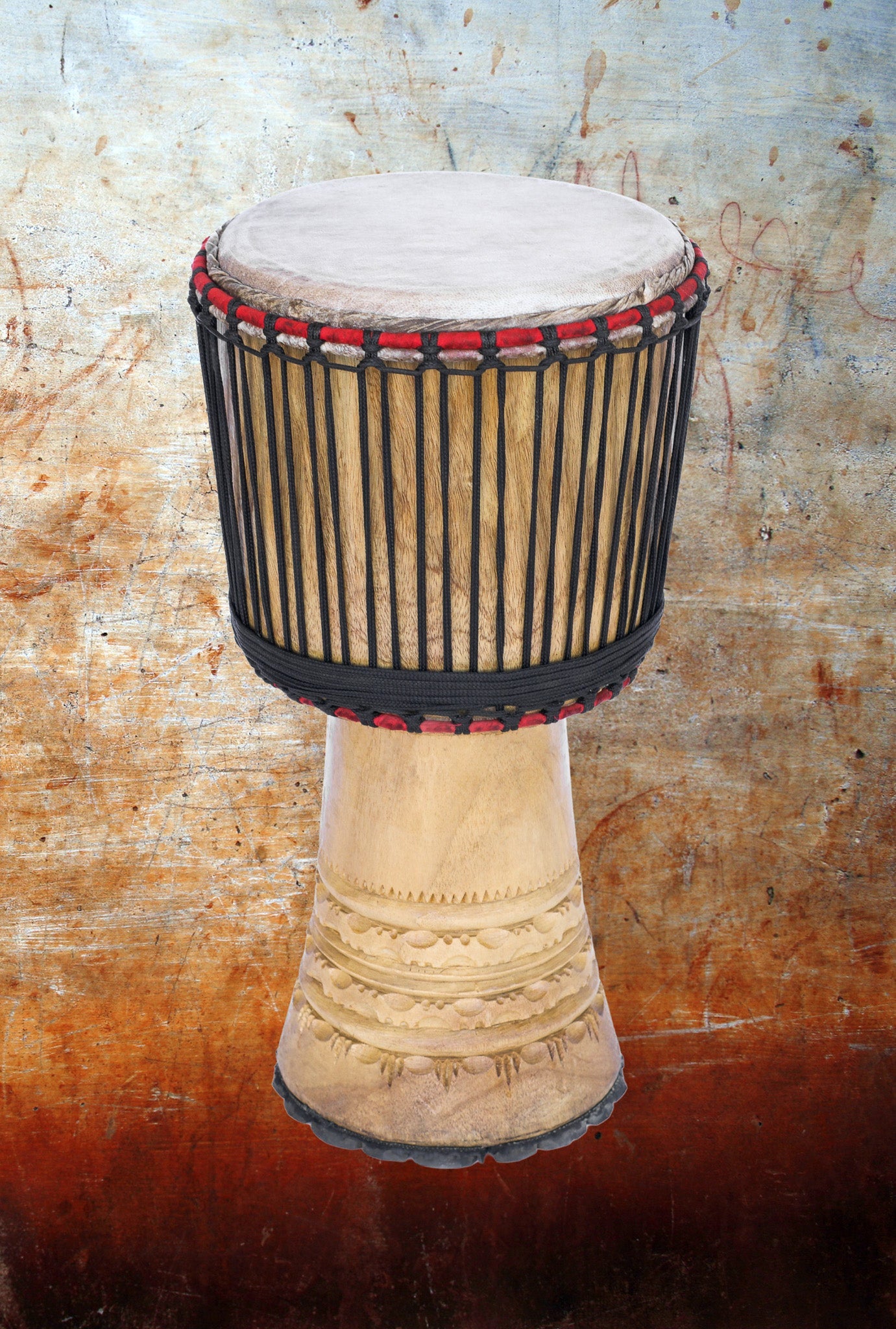
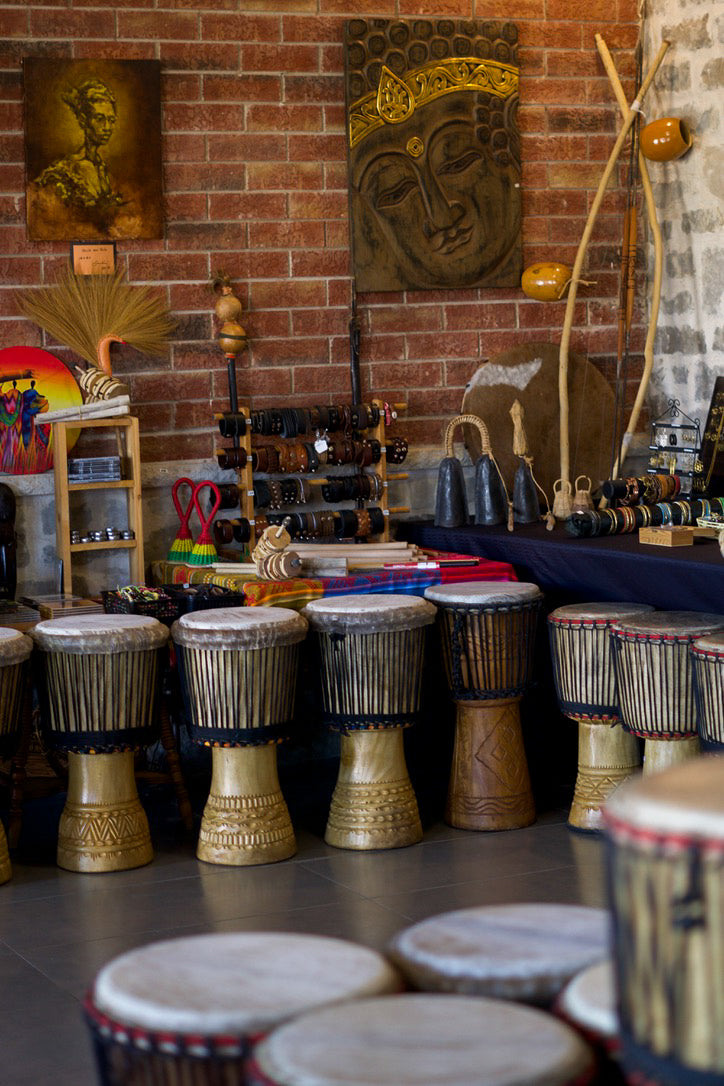
Many drums sold online are decorative items made on a lathe. A true djembe is a musical instrument with three non-negotiable characteristics:
- The Shell: Hand-carved from a single piece of hardwood (such as Lenke, Iroko, or Mahogany) to provide proper resonance.
- The Skin: Natural, high-quality goat skin (not synthetic) properly shaved to ensure clear tones and slaps.
- The Assembly: High-tensile, low-stretch alpine rope used in a traditional "Mali Weave" for precise tuning.
Why does this matter? Authenticity dictates the sound. A decorative drum will sound flat and is often impossible to tune or repair. An authentic djembe is built to be played, tightened, re-skinned, and enjoyed for decades.
Our Promise: Every djembe at Tam-Tam Mania is an authentic West African instrument crafted for real musical use.

2. Sizing Guide: Finding Your Perfect Match
One of the most common questions we receive is: "What size djembe should I buy?"
The size of the drum affects both the sound (bass depth) and your ergonomics (playing comfort).
For Adults (The "Standard" Djembe)
For 90% of adult players, we recommend the following dimensions:
- Height: 23" – 24.5" (approx. 60 cm)
- Head Diameter: 12" – 13"
Why this size?
This "Goldilocks" size offers a deep, resonant bass and a crisp slap. It is high enough that you can play seated comfortably without stooping, yet the playing surface is wide enough to accommodate adult hands without technique feeling cramped.
Considerations for Taller or Shorter Players
- Tall Players: You may prefer a drum closer to 25" in height to keep your posture upright.
- Petite Players: A slightly lower shell (22-23") can reduce shoulder strain, provided the head size remains large enough (11.5"+) to produce a good bass.
Read our free guide [Best Djembe Sizes For Beginners, How To Find Your Perfect Fit]
3. I’m a Beginner — Which Djembe Should I Choose?
If you’re just starting out, choosing your first djembe can feel overwhelming. Most beginners worry about buying the wrong size, spending too much (or too little), or ending up with a drum that makes learning harder.
The good news: beginners don’t need a professional-level instrument — they need a responsive, well-built djembe that supports proper technique from day one.
What actually matters for beginners:
- Sound quality first
A beginner djembe should produce a clear bass, open tones, and slaps that respond without force. A dull or muted drum slows progress and causes frustration. - A beginner-friendly size
For most adults, a 10–11 inch head offers the best balance of comfort, control, and sound without requiring advanced technique. - Authentic materials
Djembes carved from a single piece of hardwood with natural goatskin respond better to correct hand technique and stay in tune longer. - A realistic price point
Extremely cheap djembes often lead to poor sound and early replacement. A well-chosen mid-range drum is usually the smartest place to start.
If you want a deeper, step-by-step explanation, we’ve created dedicated guides to help beginners make confident choices:
[Buying An Authentic Djembe From A Trusted Shop]
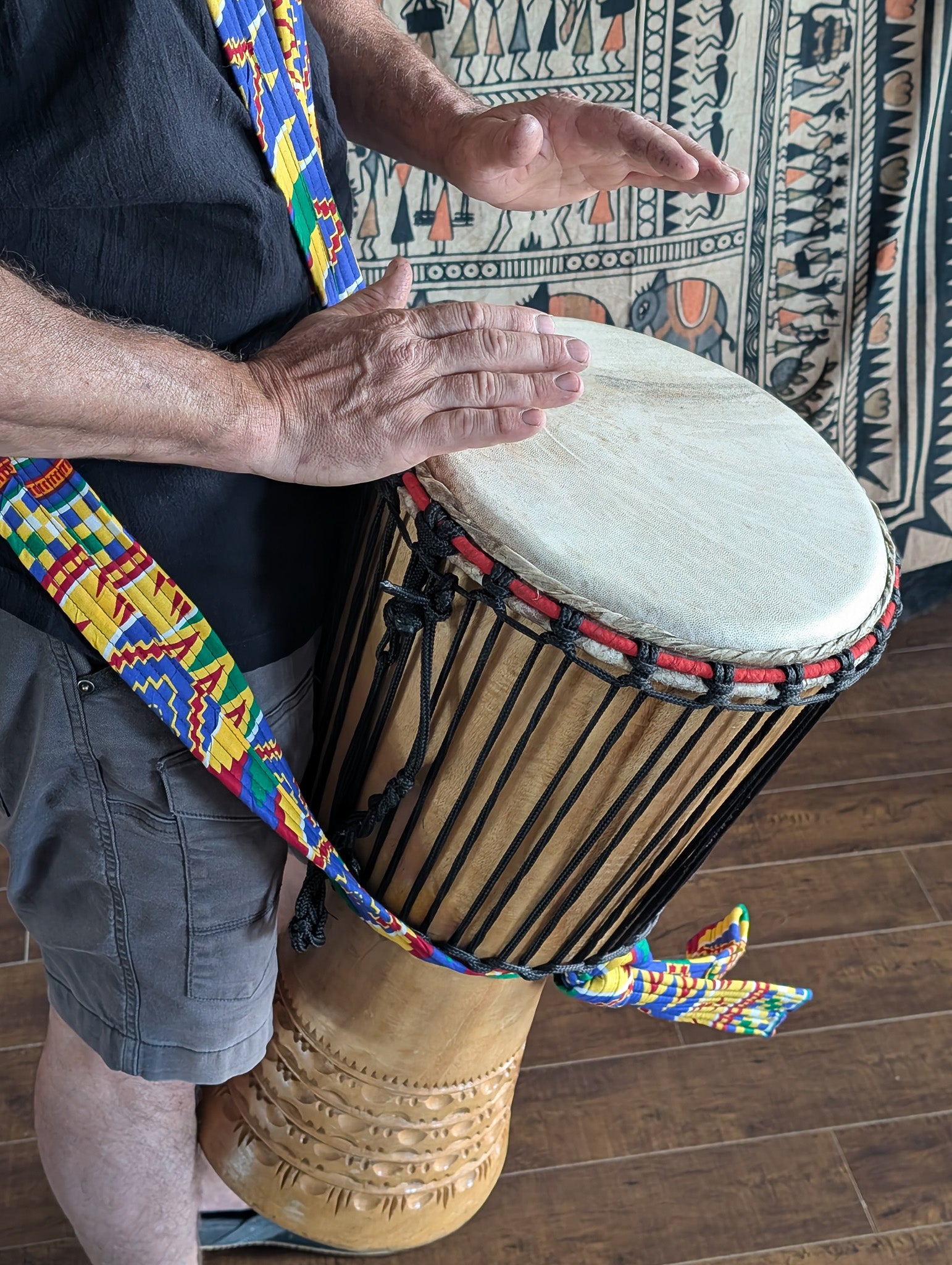
4. Understanding Materials: Wood and Skin
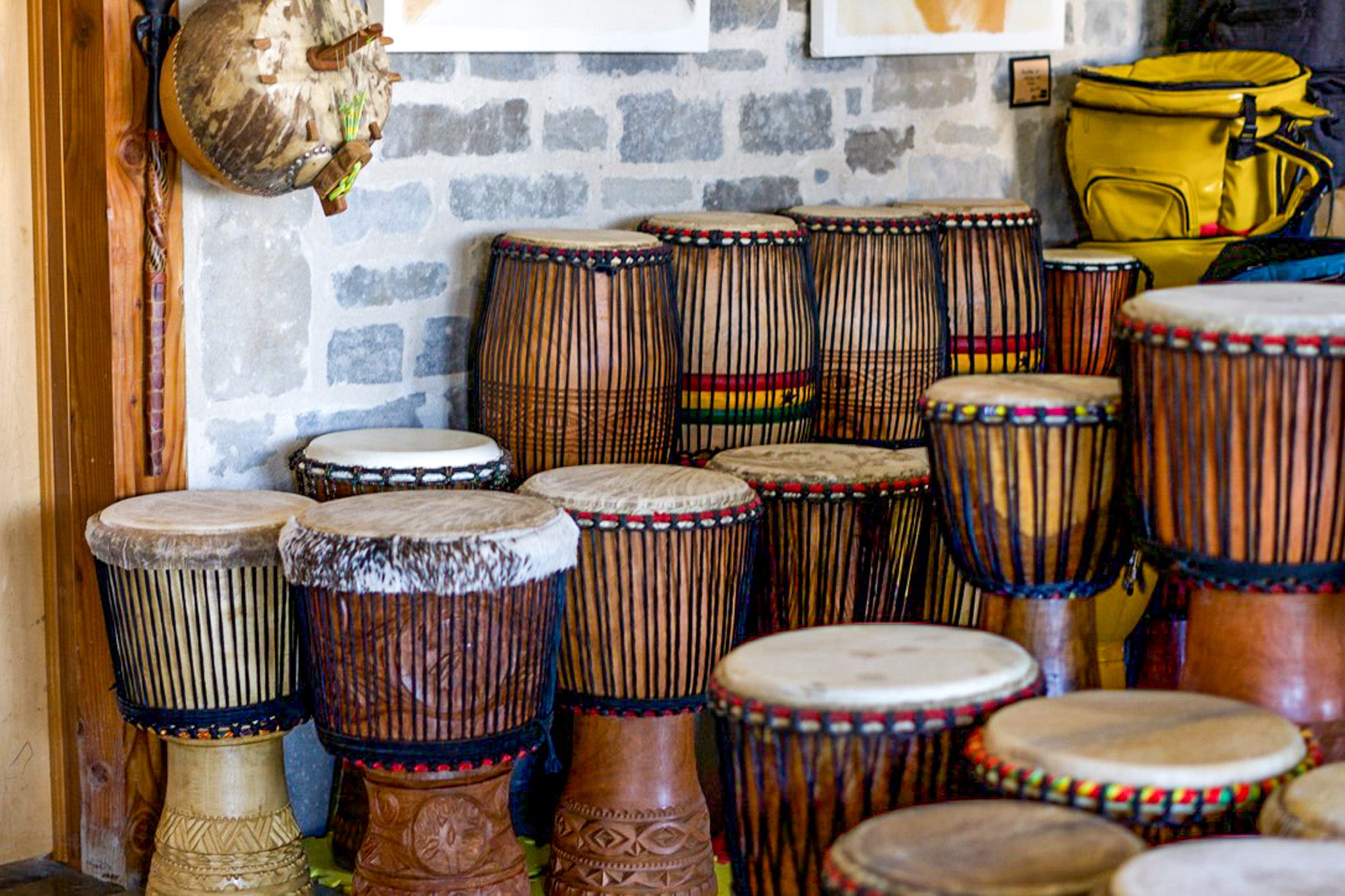
The Wood
West African hardwoods are dense and project sound powerfully.
Melina Wood: The "Traveler's Choice"
- Best For: Beginners, students, and players who value portability.
- The Vibe: Melina is a golden, medium-density hardwood. It is significantly lighter than other hardwoods, making it a joy to carry to classes or drum circles.
- The Sound: Don't let the lighter weight fool you—Melina sings. It offers a bright, resonant tone with plenty of volume. It’s the perfect balance of "easy to carry" and "authentic sound."
Bala Wood (Hare): The "Soloist's Choice"
- Best For: Professionals, strong players, and those seeking maximum projection.
- The Vibe: Bala is extremely dense and heavy. This is the wood traditionally used for the balafon (African xylophone) because of its incredible acoustic properties.
- The Sound: Powerful, dry, and cutting. A Bala wood djembe produces a deep, booming bass and a sharp, cracking slap that cuts through any ensemble. If you want a "lifetime drum" with professional-grade dynamic range, this is it.
The Skin
We use natural goat skin. The thickness of the skin determines the sound:
- Thin Skin: easier to play, very responsive, high-pitched "pops." Great for beginners.
- Thick Skin: Requires more force to play but offers a rich, dry, and powerful sound preferred by soloists.
4. Will My Drum Arrive Ready to Play?
Yes.
We know the anxiety of buying an instrument online. "What if it arrives broken? What if it sounds flat?"
We are djembe experts, not a faceless warehouse.
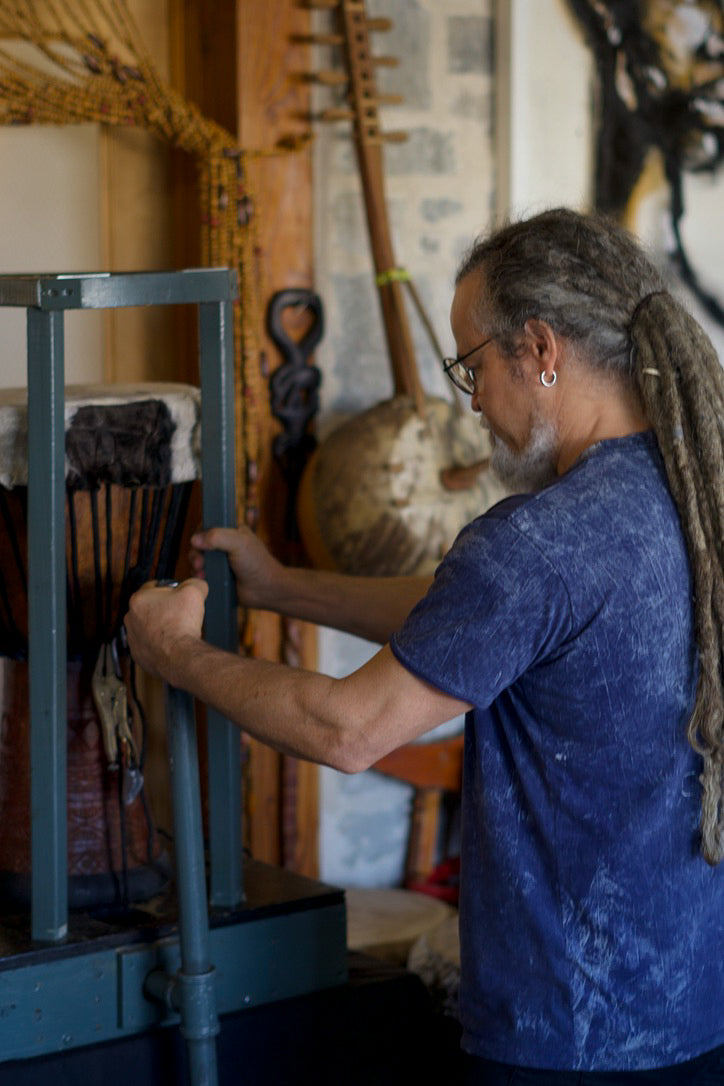
- We Tune It: Before your drum leaves our shop, we tune it to pitch.
- We Pack It: We use professional padding to protect the shell and skin.
- We Ship It: We ship across Canada and the USA with full tracking.
Note: Wood and skin are natural materials. If you are ordering in the dead of a Canadian winter or the humidity of a US summer, the skin tension may shift slightly during transit. This is normal! Your drum will arrive playable, and we are always here to help you with minor tweaks.
Read our guide [How To Care For Your Djembe]
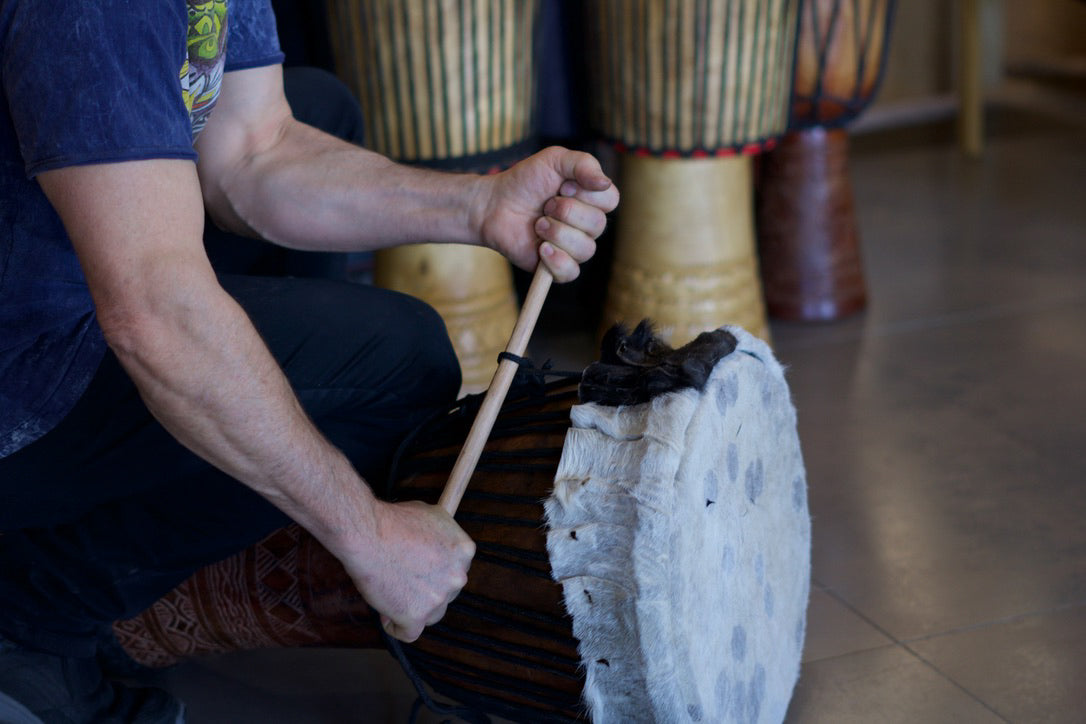
5. Can a Djembe Be Repaired or Re‑Skinned?
Yes — and this is one of the advantages of buying a quality instrument. Worn or damaged skins can often be replaced. Structural issues can sometimes be repaired. Decorative drums are rarely worth repairing.
Tam-Tam Mania offers drum repair guidance and services so your instrument stays playable, not disposable.
FAQs
Are your djembes authentic West African instruments?
Yes. Our djembes are traditional West African instruments, hand-carved from solid hardwood and fitted with natural goat skin heads. Each drum is selected for sound quality, craftsmanship, and cultural authenticity.
Do you ship djembes in Canada and the USA?
Yes. We ship djembes across Canada and the United States from Quebec. Shipping costs, delivery times, and any applicable duties are clearly shown at checkout.
Will my djembe arrive ready to play?
Yes. Every djembe is inspected and tuned before shipping. Because natural skins respond to climate, minor adjustments may be needed over time — and we’re always happy to help.
Do you offer djembe classes in the Montreal and South Shore area?
Yes. We offer in-person djembe classes and workshops in the Montreal area for beginners and experienced players. You can explore current offerings on our Classes & Events page.
Can you help me choose the right djembe?
Absolutely. If you’re unsure which djembe is right for you, you can contact Eric directly for personalized guidance based on your experience, body size, and musical goals.
Buying Your First Djembe Online: How to Avoid Costly Beginner Mistakes
Worried about buying a djembe you can't hear? Discover the 3 essential checks every beginner needs to know before buying online. At Tam-Tam Mania, we play-test and tune every drum so you get authentic sound without the surprises.
[Buying Your First Djembe Online: How to Avoid Costly Beginner Mistakes]
Featured collection
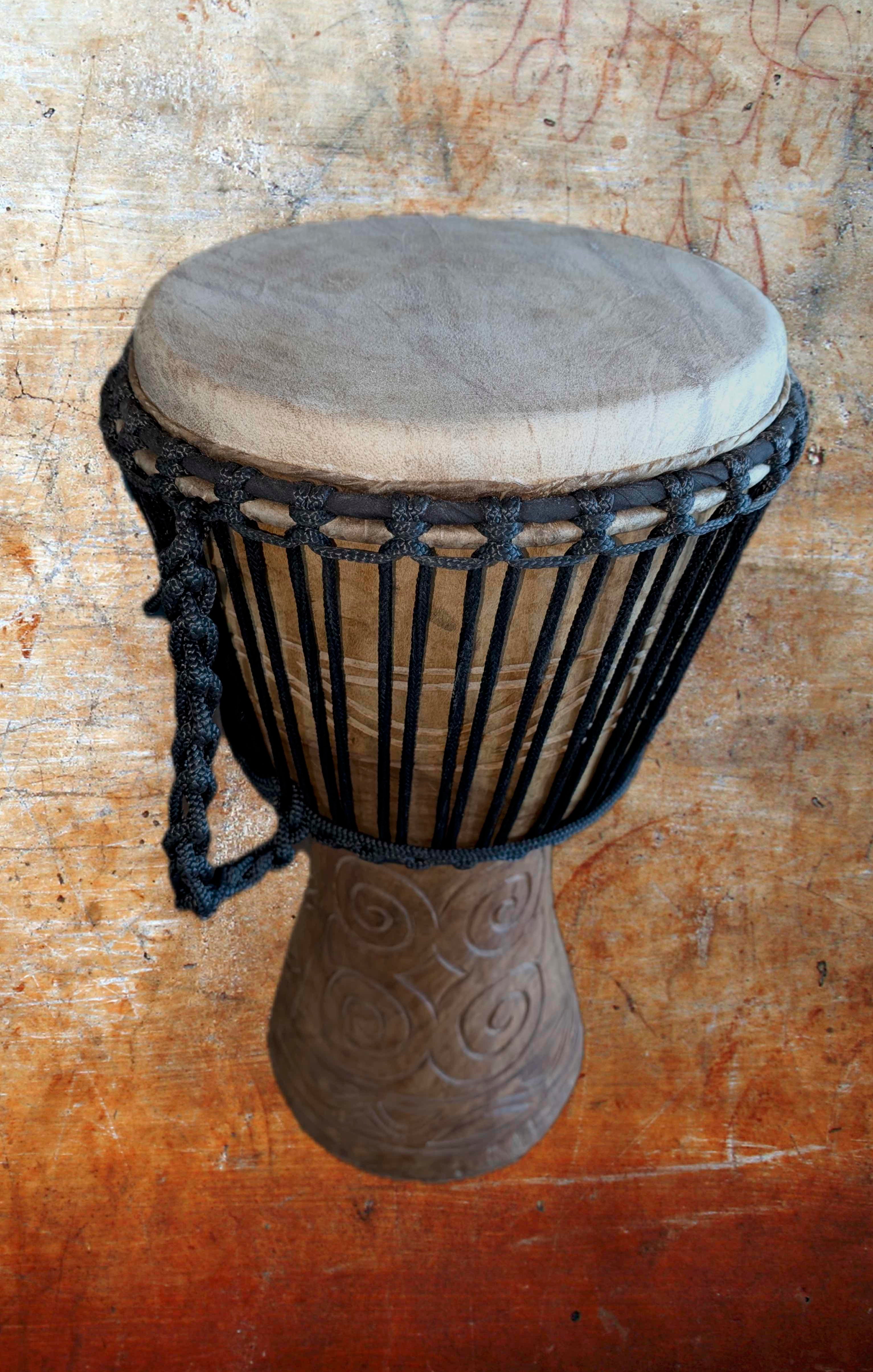
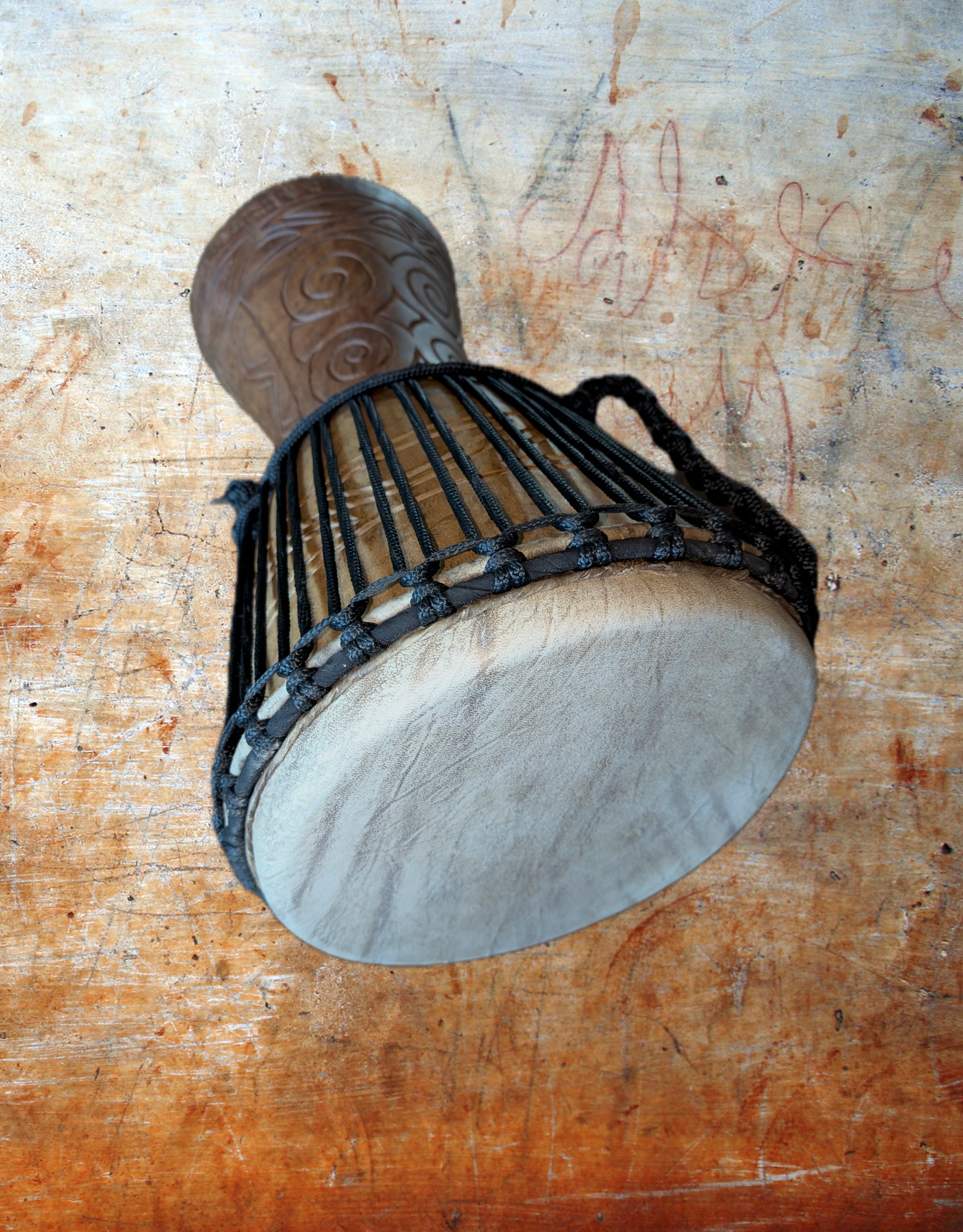

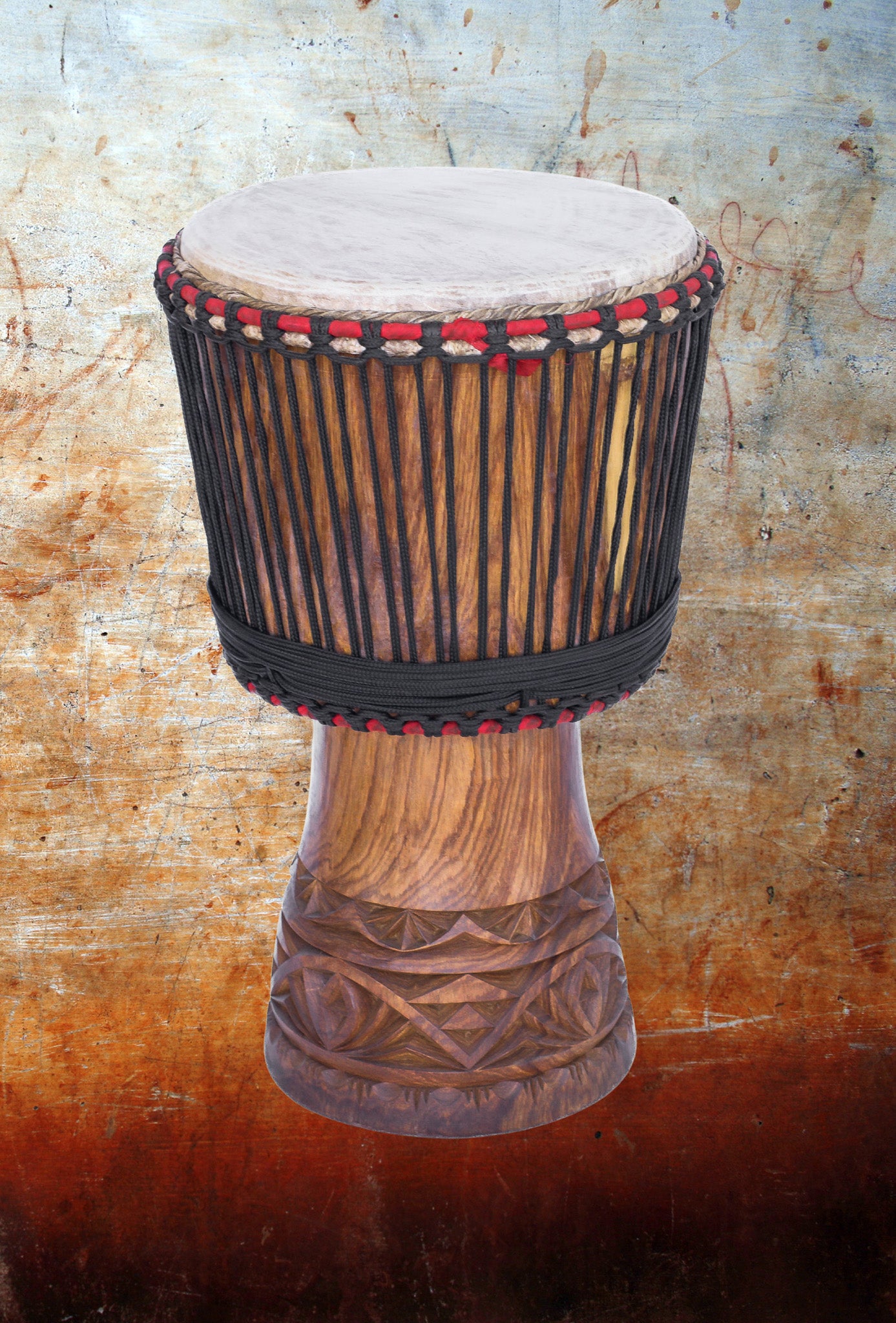
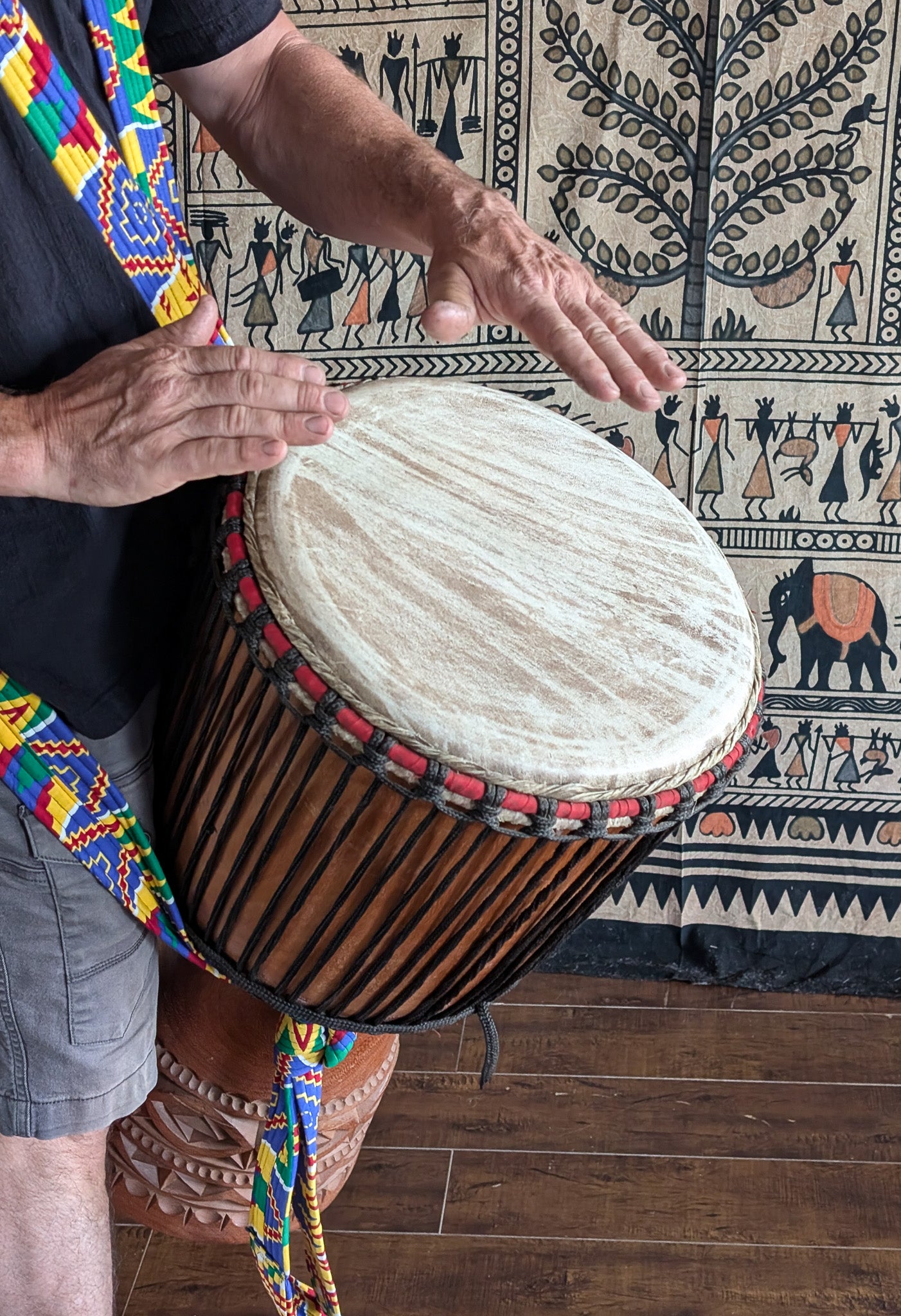
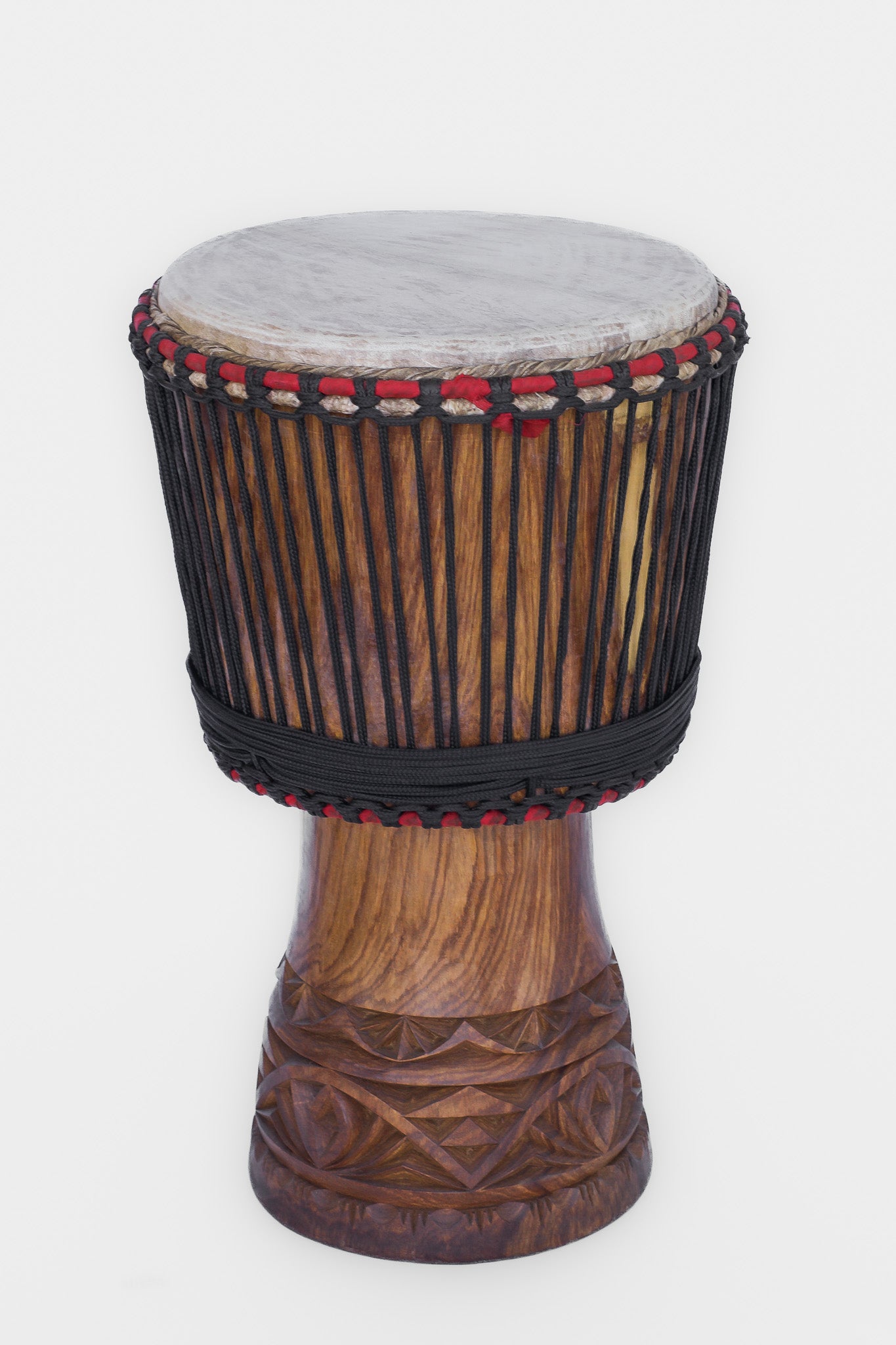
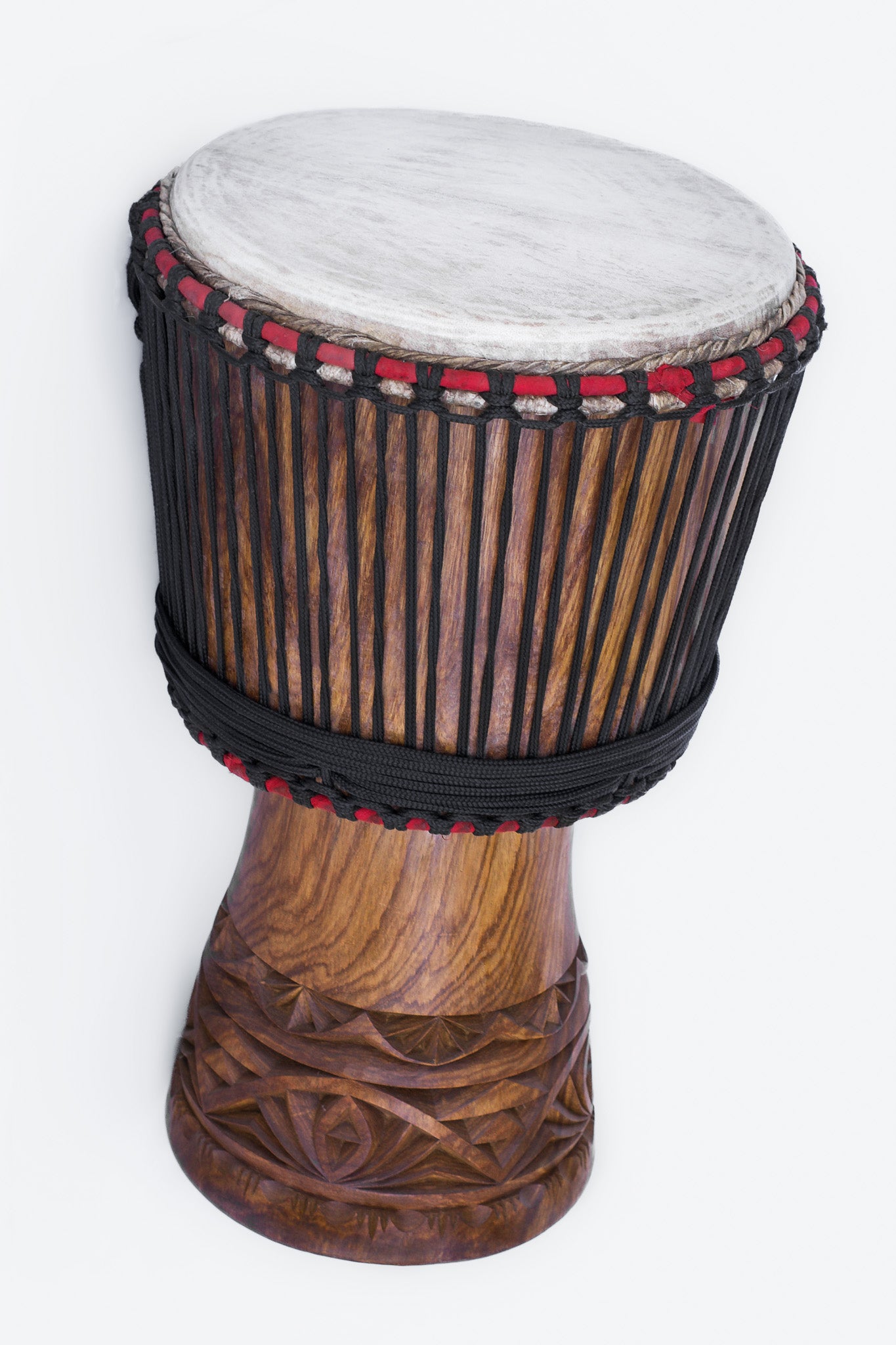
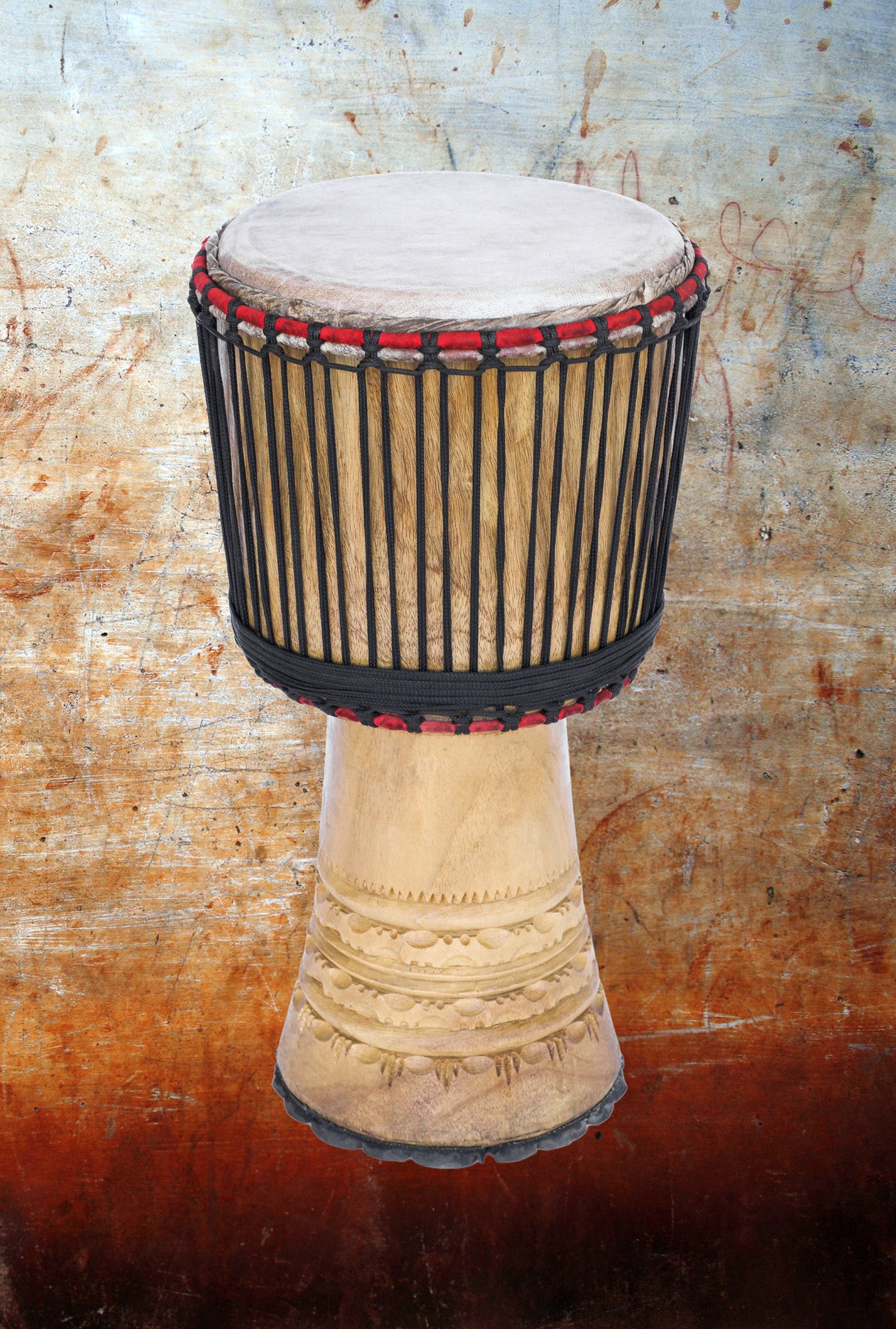
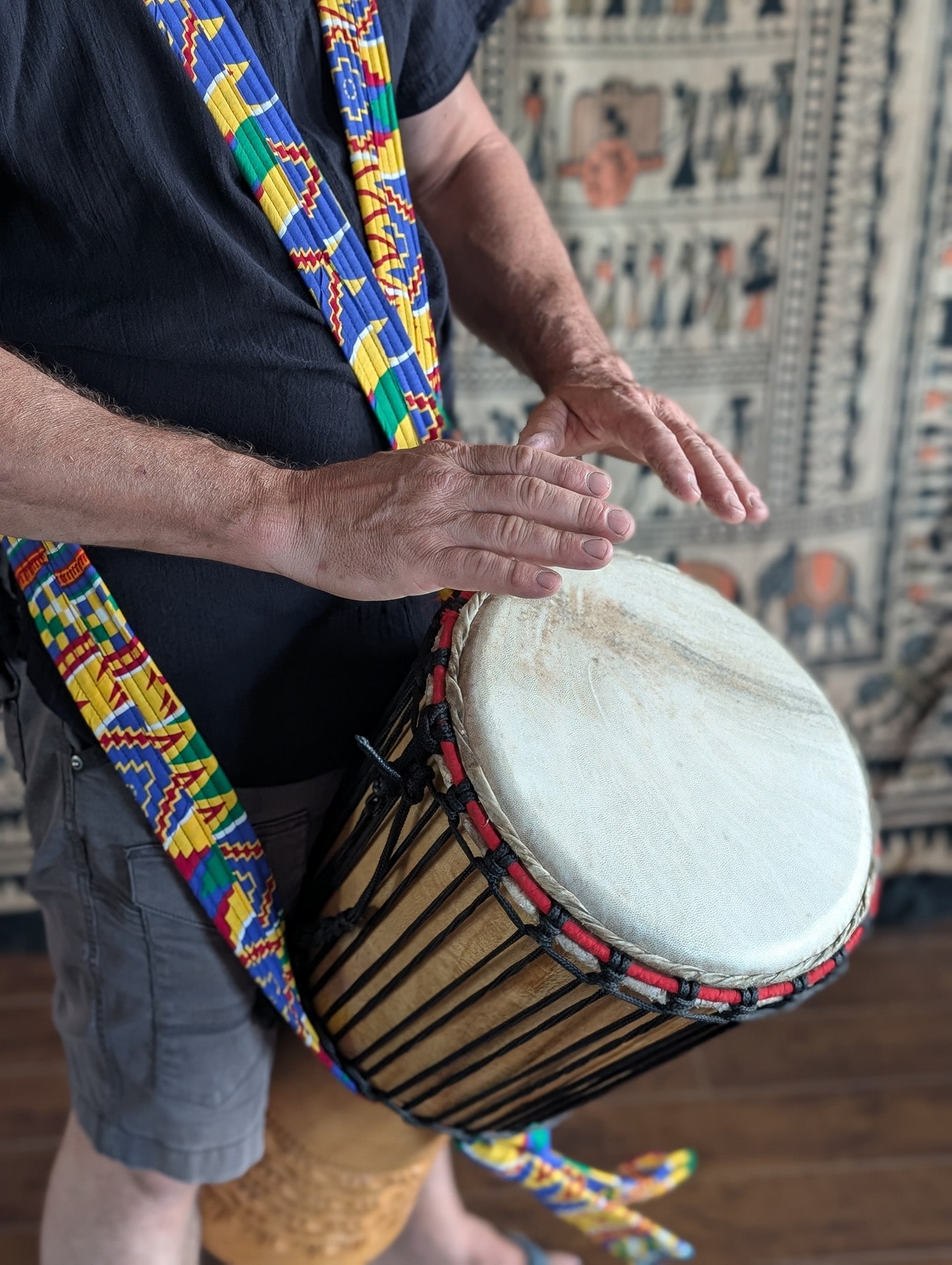
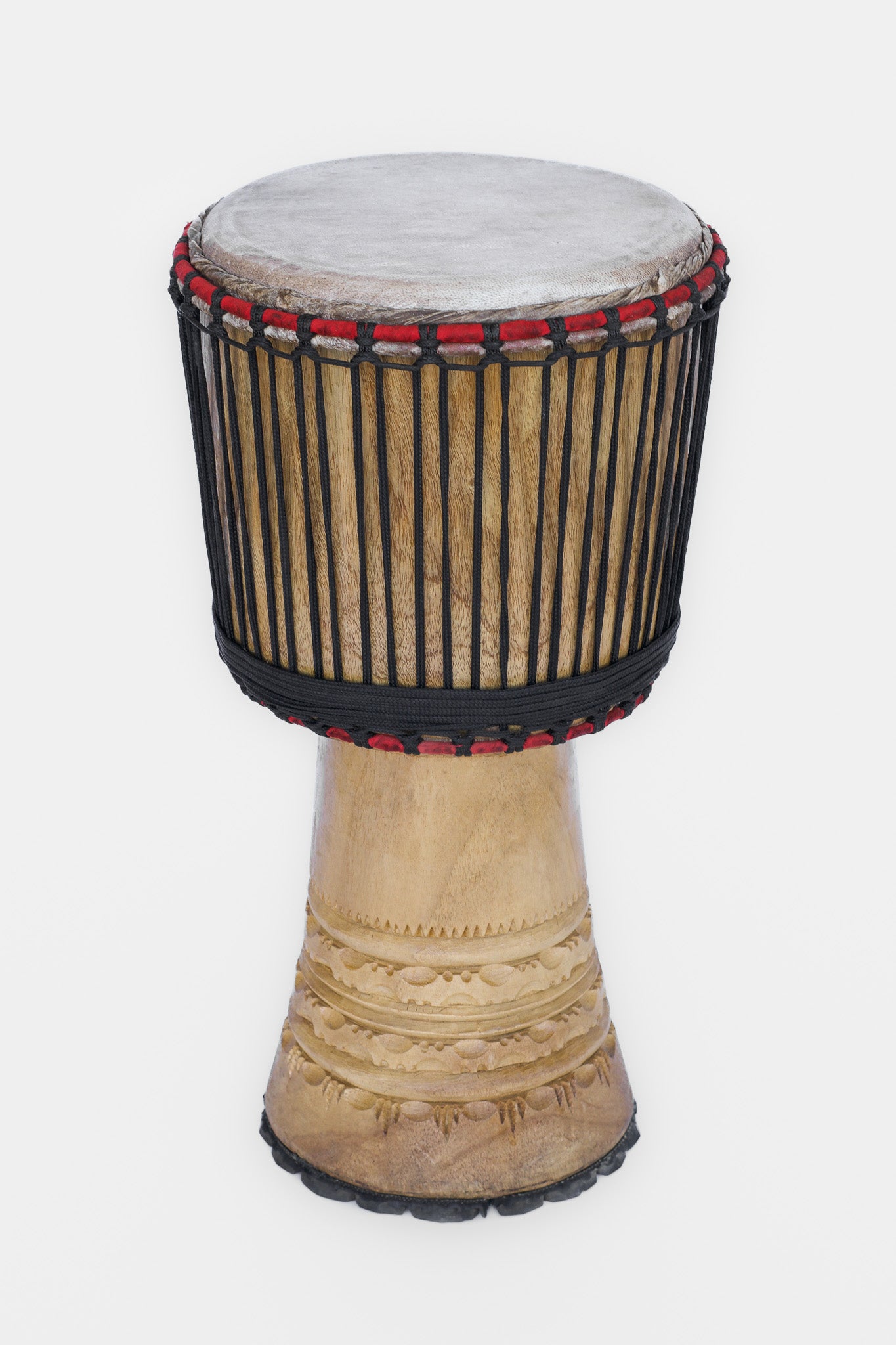
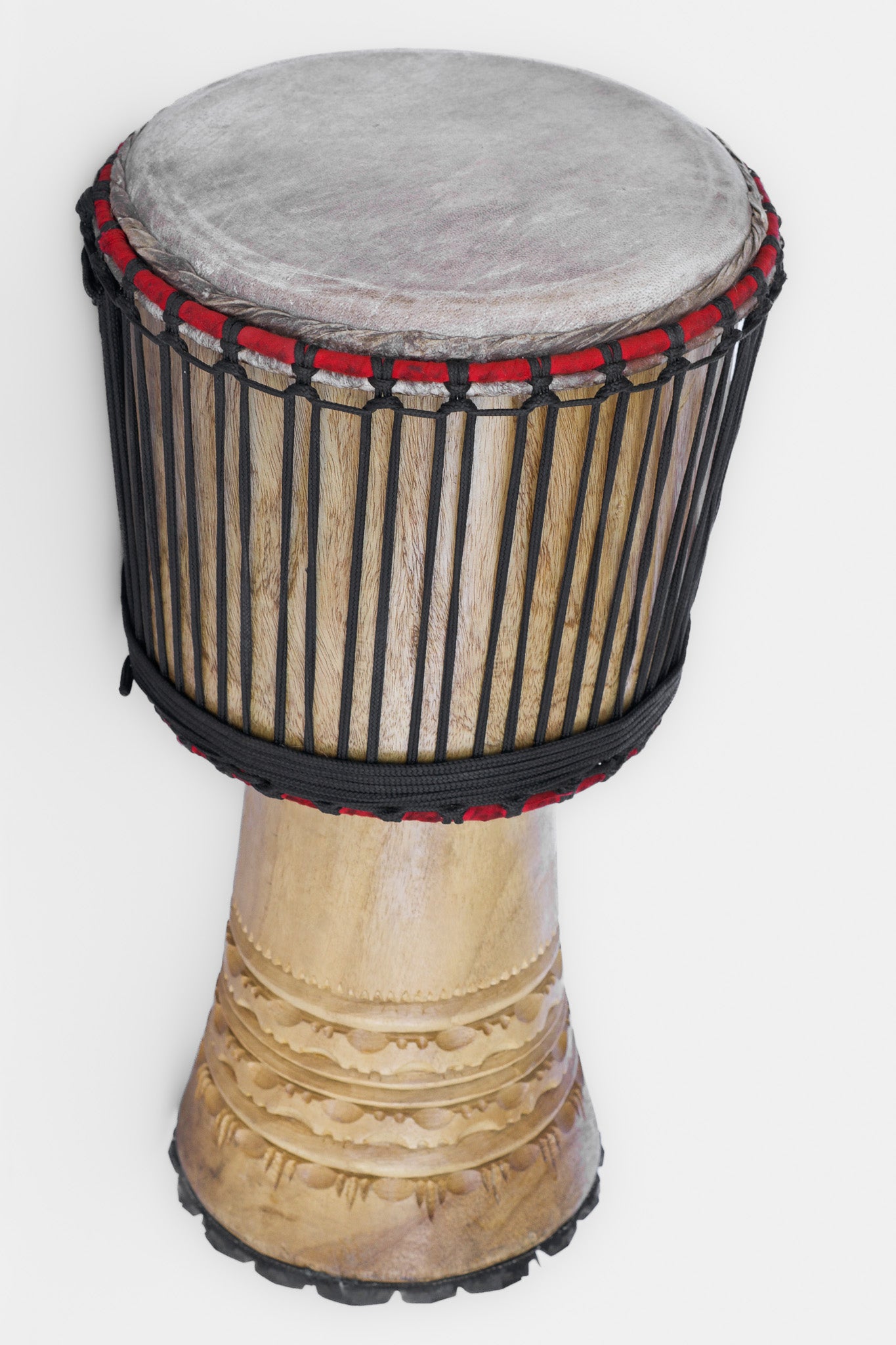
Djembe "African Sun" 11 inches
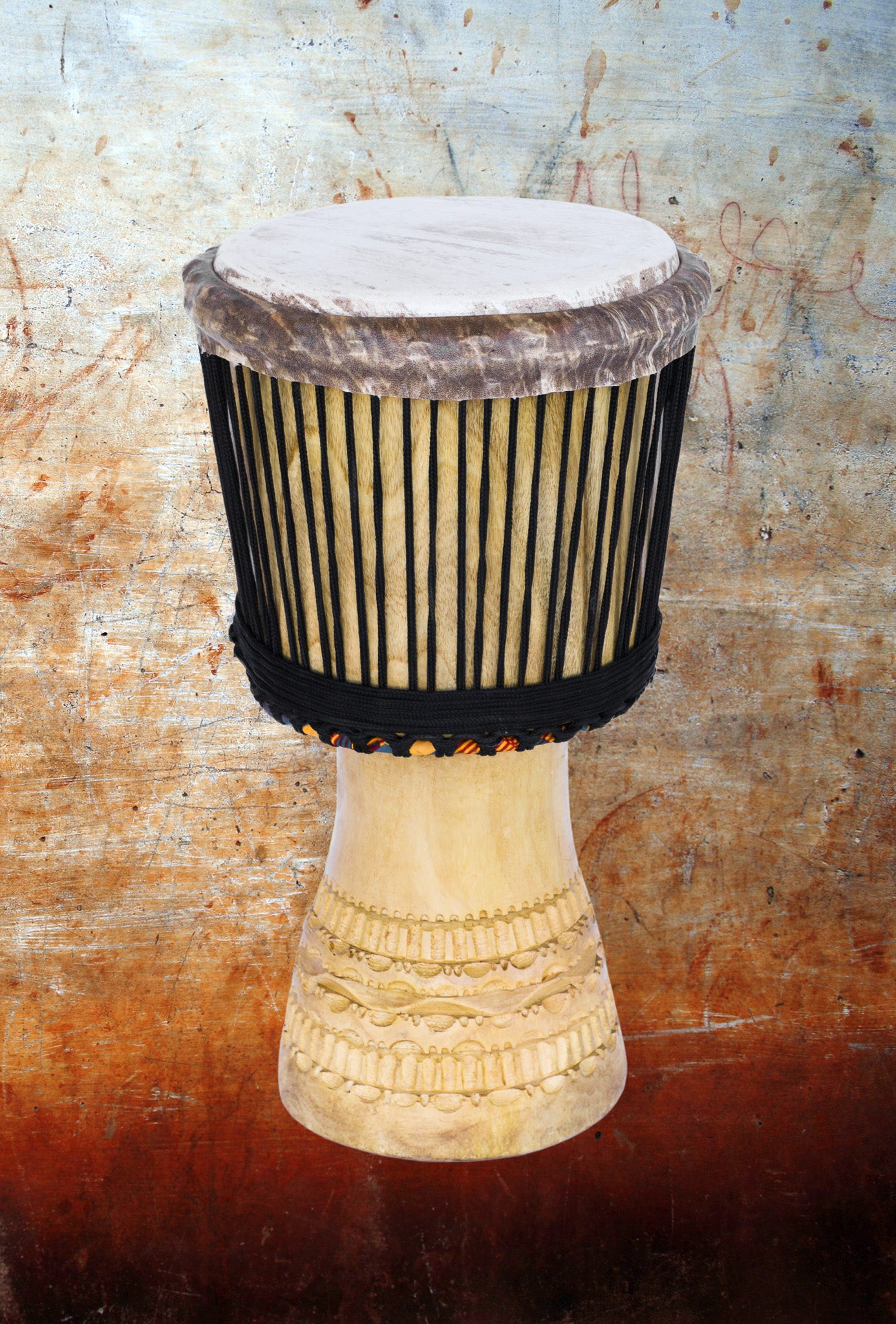
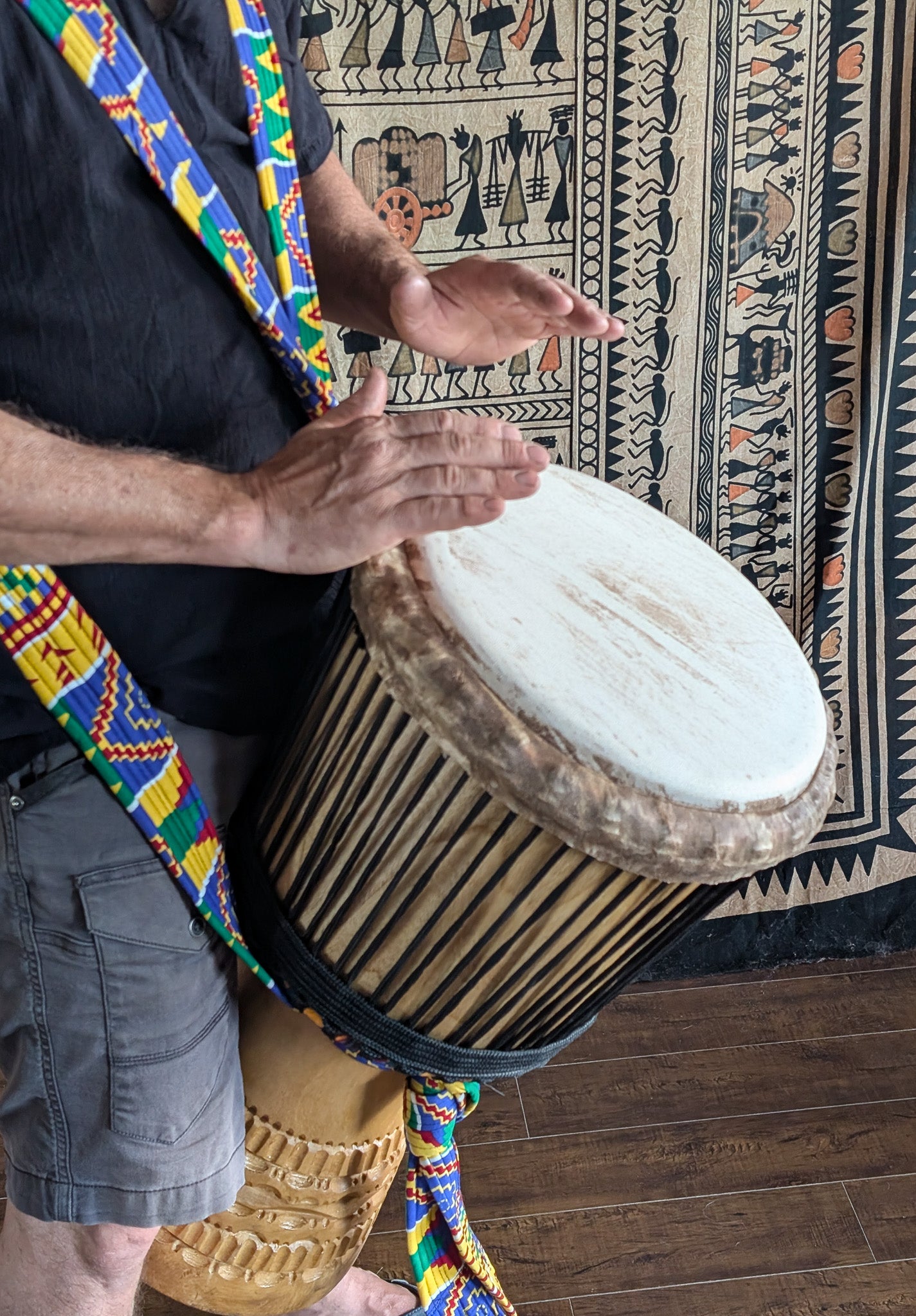
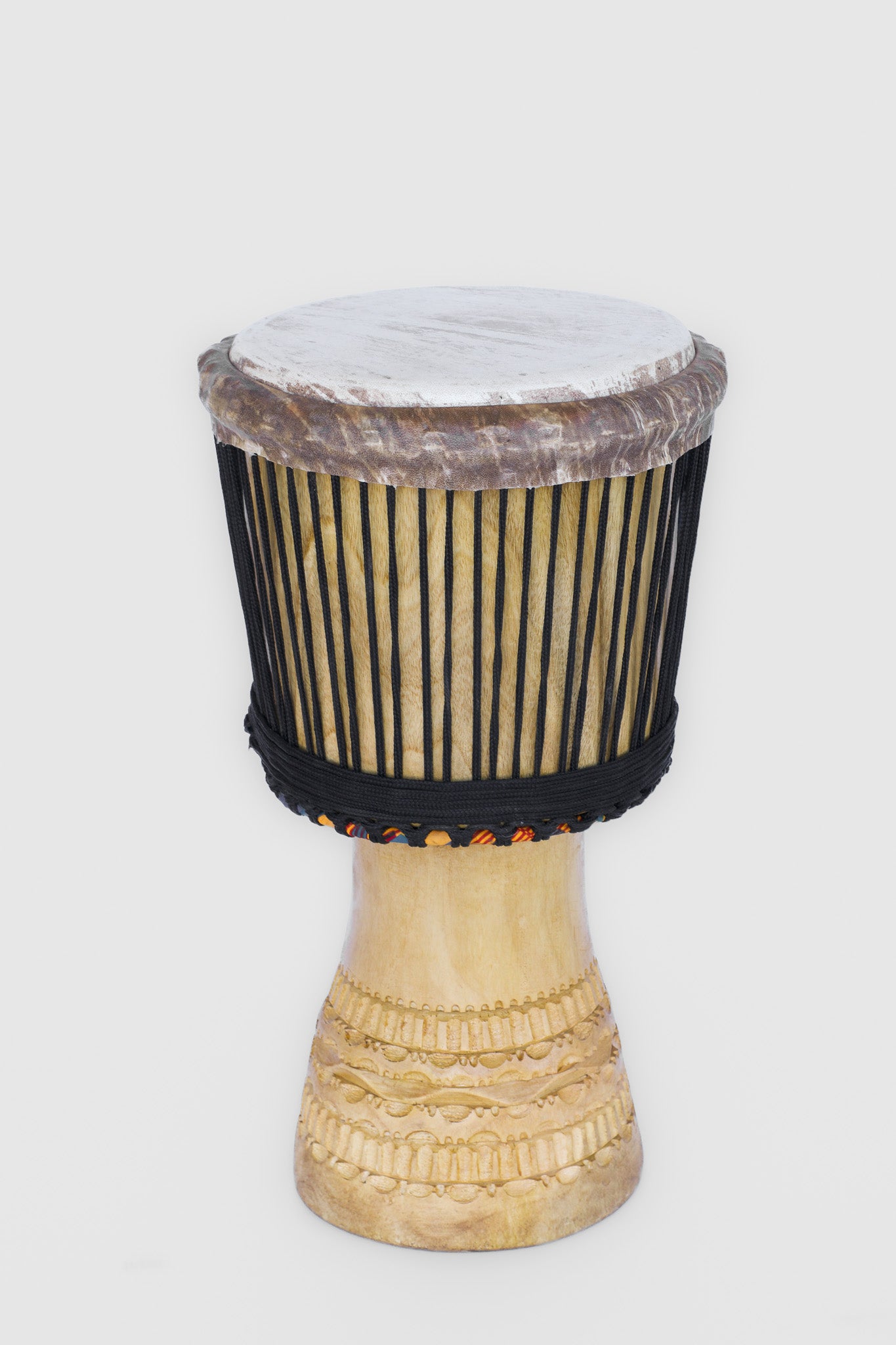
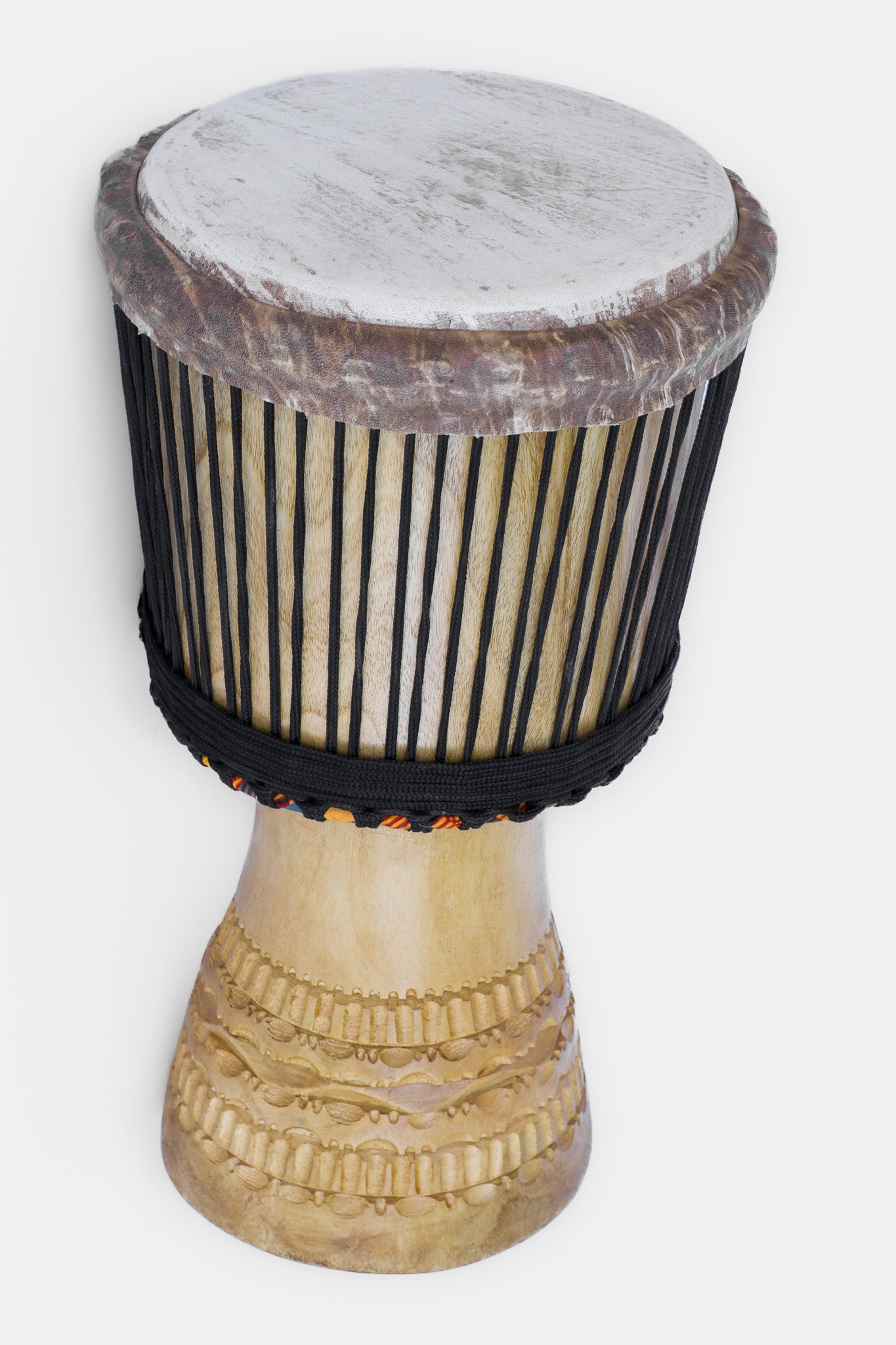
Djembe "African Heart" 12 inches

Start your journey